books by j krishnamurti
Associated Articles: books by j krishnamurti
Introduction
On this auspicious event, we’re delighted to delve into the intriguing subject associated to books by j krishnamurti. Let’s weave fascinating data and provide recent views to the readers.
Desk of Content material
Unpacking the J. Krishnamurti Paradox: A Journey Via His Literary Legacy
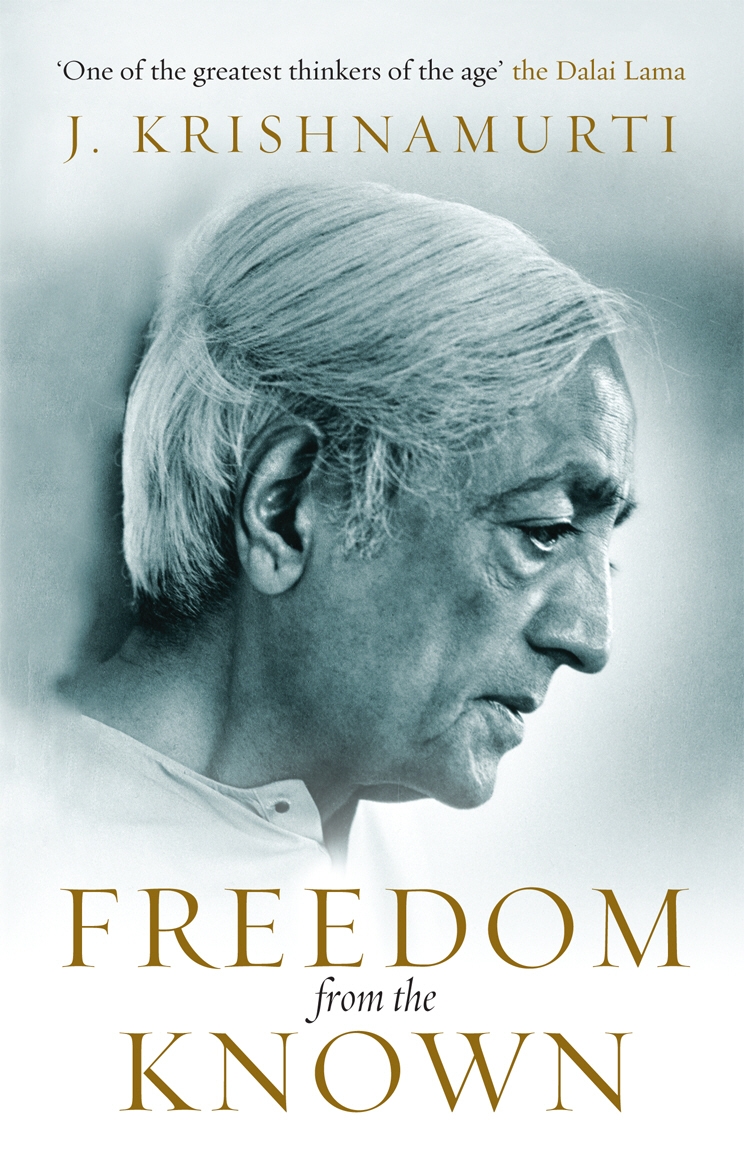
Jiddu Krishnamurti, a reputation synonymous with religious inquiry and self-knowledge, left behind an enormous literary legacy that continues to problem and encourage readers many years after his passing. His books, spanning quite a few many years and quite a lot of codecs – from transcribed lectures to concise essays – provide a novel and infrequently paradoxical method to understanding the human situation. They do not provide a system or a dogma, however quite a relentless questioning of the very foundations of our considering, urging us in direction of a direct expertise of actuality unburdened by mental constructs.
Krishnamurti’s writing shouldn’t be simply categorized. It avoids the comforting narratives of religious gurus promising enlightenment by way of adherence to particular practices. As an alternative, his work persistently factors in direction of a radical self-awareness, a technique of steady self-discovery that requires fixed vigilance and a willingness to dismantle ingrained patterns of thought and conduct. This typically results in a way of mental discomfort, a essential friction that pushes the reader in direction of real introspection.
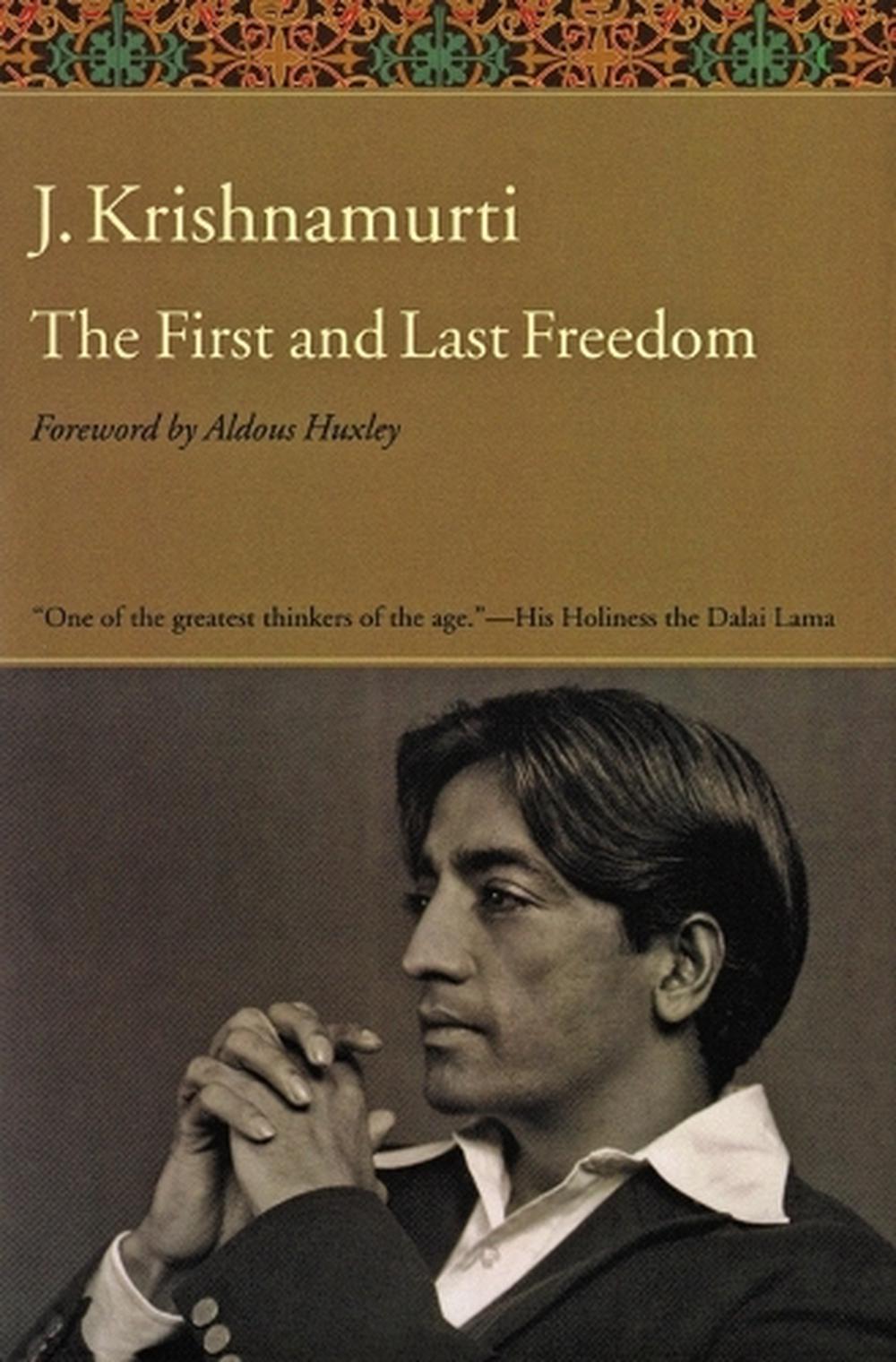
One of many central themes pervading Krishnamurti’s writings is the exploration of the character of thought. He argues that thought, removed from being a impartial software for understanding, is commonly the first impediment to experiencing actuality instantly. Our minds, formed by conditioning, cultural biases, and ingrained beliefs, create a continuing stream of interpretations and judgments that obscure the immediacy of expertise. Books like "Thought and the Thinker" and "The First and Final Freedom" delve deeply into this course of, revealing how thought perpetuates the phantasm of a separate self, resulting in concern, nervousness, and struggling. He would not advocate for the suppression of thought, however for the understanding of its mechanics, enabling us to look at its patterns with out being swept away by its currents.
The idea of "self" is one other cornerstone of Krishnamurti’s philosophy, and a recurring theme in his works. He argues that the "self," the ego, is a assemble constructed on identification with ideas, feelings, and experiences. This identification results in a way of separateness, fueling battle and struggling. Via rigorous self-observation, Krishnamurti suggests, we will start to unravel this phantasm of a set self, discovering a deeper, extra profound sense of being that transcends the constraints of the ego. This course of shouldn’t be a passive one; it calls for lively participation, a aware effort to look at the workings of the thoughts with out judgment. Books reminiscent of "The Guide of Life" and "Freedom from the Recognized" discover this journey of self-discovery, urging the reader to confront the constraints of their self-image and embrace the unknown.
Krishnamurti’s critique extends past the person to embody societal constructions and establishments. He noticed organized faith, political programs, and even instructional constructions as contributing to the perpetuation of psychological and social conditioning. He argued that these establishments, typically introduced as pathways to reality or progress, as a substitute reinforce patterns of conformity and dependence, hindering particular person development and real understanding. His views on schooling, significantly as expressed in "Training and the Significance of Life," problem typical approaches, advocating for a system that fosters essential considering, unbiased inquiry, and a deep respect for particular person uniqueness quite than rote studying and conformity.
His writings typically emphasize the significance of statement and consciousness as essential instruments for self-transformation. He did not provide prescriptive strategies or religious strategies, however quite inspired a direct and unmediated statement of 1’s personal ideas, emotions, and reactions. This course of, he argued, shouldn’t be merely mental; it requires a profound shift in consciousness, a willingness to confront one’s personal limitations and prejudices with out defensiveness. This emphasis on direct expertise is a recurring theme all through his works, from "Commentaries on Dwelling" with its insightful observations on on a regular basis life, to "On Violence," which explores the insidious nature of violence in its numerous types – bodily, psychological, and societal.
The obvious simplicity of Krishnamurti’s language could be misleading. His insights, typically expressed with outstanding readability and directness, require cautious consideration and sustained reflection. His books usually are not meant to be passively consumed; they demand lively engagement, a willingness to query one’s personal assumptions and beliefs. This inherent problem is maybe what makes his work so enduringly related. His writings don’t provide straightforward solutions or comforting illusions; they invite the reader to embark on a journey of self-discovery, a lifelong technique of questioning, understanding, and in the end, freedom.
One of many ceaselessly cited paradoxes in Krishnamurti’s work is his insistence on the significance of understanding with out the necessity for perception. He did not search followers or disciples; he inspired unbiased inquiry and important considering. His books usually are not meant to be interpreted as sacred texts to be adopted blindly, however quite as instruments for self-exploration. This rejection of perception programs, coupled along with his emphasis on direct expertise, typically results in misunderstandings and misinterpretations. Nevertheless, this very paradox is central to his message: true understanding arises not from perception or religion, however from direct statement and perception.
Moreover, Krishnamurti’s emphasis on the current second is a recurring motif. He persistently pressured the significance of dwelling totally within the now, with out being trapped by the previous or anxieties concerning the future. This does not indicate a rejection of planning or foresight, however quite a aware effort to be totally current in no matter one is doing, to expertise life instantly quite than by way of the filter of reminiscences and projections. This give attention to the current second is interwoven all through his numerous books, providing a sensible utility of his philosophical insights.
In conclusion, J. Krishnamurti’s literary legacy is a wealthy tapestry of insights into the human situation. His books, whereas difficult and infrequently paradoxical, provide a novel and enduring contribution to the continued dialog about self-knowledge, freedom, and the seek for that means. They aren’t merely books to be learn; they’re invites to have interaction in a lifelong journey of self-discovery, a journey that requires braveness, honesty, and a willingness to confront the very foundations of our considering. His phrases proceed to resonate with readers throughout generations, prompting a steady exploration of the self and the world round us, reminding us that the trail to freedom lies not in adherence to doctrines however within the brave pursuit of direct expertise and unburdened consciousness. The enduring energy of his work lies in its relentless pursuit of reality, a reality that’s not present in solutions, however within the persistent questioning itself.




Closure
Thus, we hope this text has offered invaluable insights into books by j krishnamurti. We recognize your consideration to our article. See you in our subsequent article!